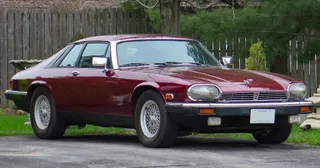
The Jaguar XJS (XJS) (1975-1996) averages €27,954 based on 66 listings. Prices range from €3,500 to €79,999 with an average mileage of 106,323 km.
- Typical price (median): €25,925
- Typical range (middle 50%): €17,923 – €34,900
- Average price: €27,954
- Price range: €3,500 – €79,999
- Production years: 1975-1996
- Average mileage: 106,323 km
- Active listings: 66
Typical price (median)
€25,925
Listings analysed: 66
Typical price range
€17,923 – €34,900
middle 50% of listings
Full range
€3,500 – €79,999
Average: €27,954
Price History
Details
Buying guide: Jaguar XJS (XJS)
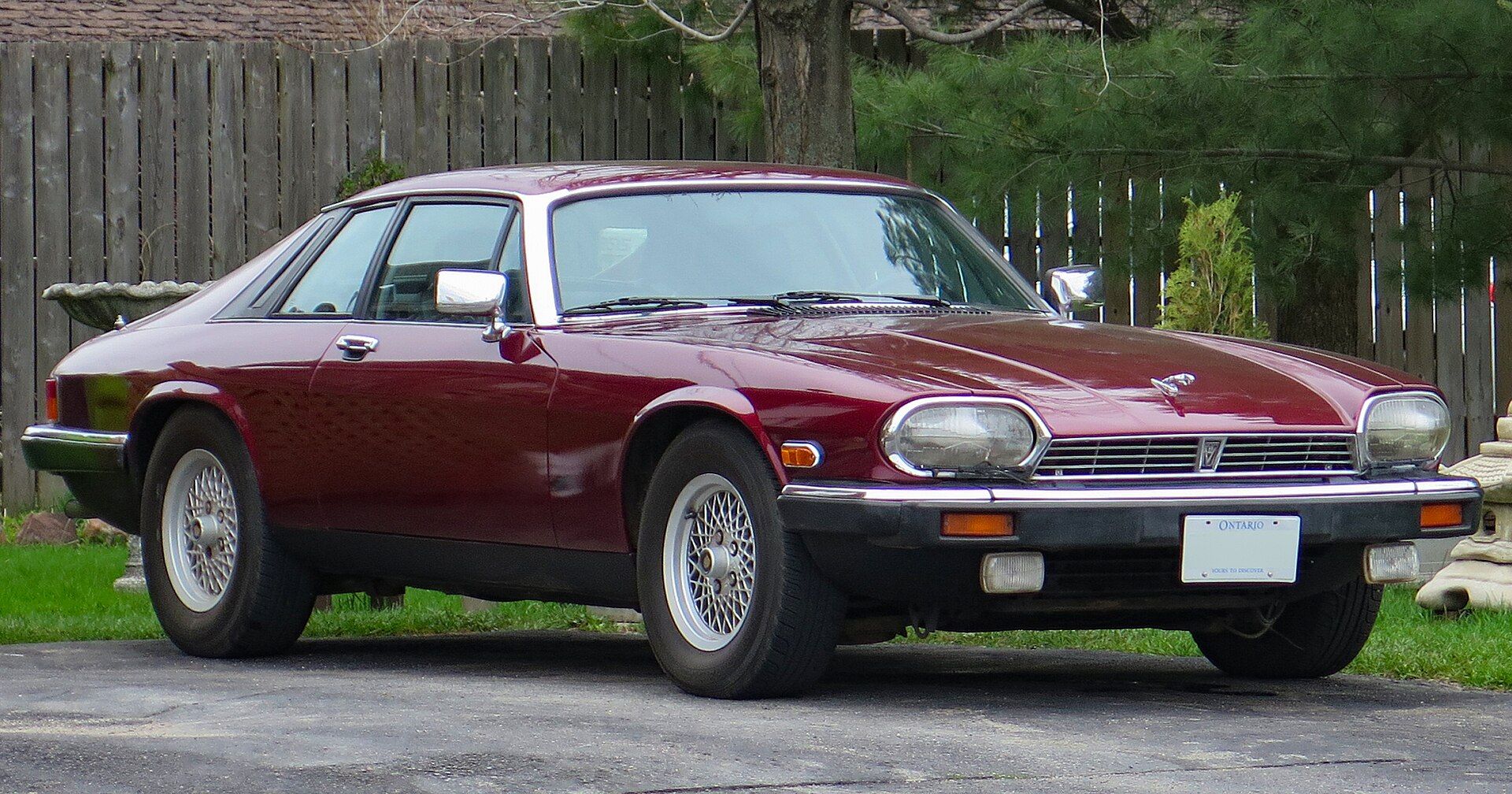
The Jaguar XJ-S is a grand tourer built on a shortened XJ saloon platform from 1975 to 1996; just over 115,000 were made. It started as a V12 coupé only. A straight-six and the XJ-SC cabriolet with a fixed roll bar followed in 1983, and the full convertible arrived in 1988. With the 1991 facelift the hyphen was dropped from the name (XJS). The car met a cool reception at launch because many had expected a sports car to follow the E-type; today it is seen as a comfortable long-distance car. Early examples suffered from patchy build quality, later ones are considered better sorted. Rust and maintenance history matter most when choosing one.
Key variants
- 5.3 V12 (1975–1981)
- The original twelve-cylinder version, mostly with a three-speed automatic; the manual gearbox offered at first was dropped after a few years. Fuel consumption is high, early build quality is regarded as weak, and trim and interior parts are hard to find.
- 5.3 V12 HE (from 1981)
- Revised cylinder heads cut fuel consumption noticeably, and the cabin gained wood and leather. Available as a coupé, from 1985 as the XJ-SC and from 1988 as the convertible, with a three-speed automatic. The most numerous version.
- 3.6 six-cylinder (AJ6, from 1983)
- Straight-six with four valves per cylinder for the coupé and XJ-SC, with a five-speed manual or four-speed automatic gearbox. More economical and easier to service than the V12, but not offered in the full convertible.
- 4.0 six-cylinder (from 1991, AJ16 from 1994)
- Replaced the 3.6 with the facelift, at first in the coupé only and from 1992 also in the convertible. In 1994 the engine was revised (AJ16) and the bodyshell was galvanised; the late cars are considered better built and more reliable electrically.
- 6.0 V12 (late cars, until 1995)
- Enlarged twelve-cylinder of the final years, paired with a four-speed automatic. From 1993 the rear brake discs sit outboard at the wheels, which makes servicing easier. Much rarer than the 5.3.
Known weak points
- Body corrosion. The main areas are the sills, wheel arches, floorpans, front wings, door bottoms, jacking points and the windscreen surround; rust also hides behind the bumpers. Damage to the A-pillars around the door hinges and to the panel behind the coupé's rear window is particularly laborious to repair. The bodyshell was only galvanised from 1994, so older cars are more at risk. [1][2][3][4][5]
- Rot in subframes and suspension mountings. The front crossmember can rust through; at the rear the suspension mountings corrode, above all where the radius arms attach. The rear subframe is affected as well. This damage cannot be seen from above and concerns the load-bearing structure. [1][4]
- V12: cooling system and neglected maintenance. The twelve-cylinder is considered long-lived when carefully looked after, but it does not tolerate overheating. If the coolant is not changed about every two years the radiator silts up; brown coolant is a warning sign. Radiator, water pump and head gaskets should be checked. Typical of neglected cars: hard-to-reach rear spark plugs that were never changed, rattling timing chains and a seized viscous fan coupling that screeches. [1][3][4][5][6]
- Six-cylinder: overheating and head gasket. On the straight-sixes, skipped coolant changes let sludge build up at the back of the block. The results are overheating, a blown head gasket and, in the worst case, a warped cylinder head. A pale, creamy deposit on the underside of the oil filler cap points to this. The exhaust manifold gasket also tends to fail early. [1][2][4]
- Suspension, steering and inboard rear brakes. Until 1993 the rear brake discs are mounted inboard next to the differential: they are hard to reach, often neglected as a result, and time-consuming to repair. At the front, the inner bushes of the upper wishbones wear, which shows as uneven tyre wear. Steering rack mounting bushes, dampers, ball joints, rear subframe mounts and wheel bearings wear too; the car then feels vague. [2][3][4][6]
- Electrics, air conditioning and water ingress. Minor electrical faults are common: door mirror motors burn out, ABS sensors fail on later cars, and the air conditioning often no longer works. On the XJ-SC and convertible, leaking hoods soak the carpets; if a coupé smells damp inside, the sunroof drain channels are usually blocked. The 4.0 cars built under Ford ownership are regarded as more reliable electrically. [1][2][4][6]
Checklist for the viewing
- Inspect the car on a lift: sills, jacking points, floorpans, wheel arches, the lower ends of the front wings and the door bottoms; on a coupé also the A-pillars at the hinges and the panel behind the rear window.
- From underneath, look at the front crossmember, the rear radius arm mountings and the rear subframe mounts for rust and play; rock each wheel from side to side to check the wheel bearings.
- Look at the coolant (brown is a warning sign) and check the underside of the oil filler cap for a pale, creamy deposit; watch the temperature gauge during the test drive.
- Ask for maintenance records: regular oil changes, coolant changes about every two years and, on a V12, replacement of all twelve spark plugs should be documented, ideally by a Jaguar specialist.
- On the test drive the automatic must change smoothly: a harsh shift from first to second or knocking from the gearbox mount are faults. The steering must not feel vague.
- Test every electrical function and the air conditioning (it must blow cold); on open cars check the hood for tears and the carpets for damp.
Sources
- [1] Jaguar XJS – Buyer's Brief — Practical Classics
- [2] Used Jaguar XJS (1975 to 1996) buyers guide: elegant coupe has stood the test of time — Auto Express
- [3] Kaufberatung: Jaguar XJ-S V12 Convertible — Auto Bild Klassik
- [4] Jaguar XJS Buying Guide — Motorious
- [5] Confessions of a Car Addict: Jaguar XJ-S — The Intercooler
- [6] Jaguar XJ-S V12 (1975-1996) — Automobile Sportive
- [7] Jaguar XJ - S (1975 - 1996) used car review — RAC Drive
Researched: 22 November 2026
Price Distribution
25th Percentile
€17,923
Median (50%)
€25,925
75th Percentile
€34,900
90th Percentile
€44,450
The median shows the middle price - 50% of listings are below, 50% above.
Mileage and Price
Correlation
weak
Mileage Range
-33%
Price Trend
-€1,081/10k km
Relationship between mileage and price.
Market Activity
Current
66
Average
88
Maximum
126
Trend
stable
Number of listings over time. More listings mean greater selection for buyers.
Seasonal Price Patterns
Cheapest Month
Oct
€22,786
Most Expensive Month
Mar
€28,910
Price difference between cheapest and most expensive month: €6,124. The timing of purchase can significantly affect the price.
Guides and analysis: Jaguar XJS (XJS)
-
The €20,000 Budget: Eight Classics and Sports Cars Compared
From the Porsche 986 (€15,734) to the Mercedes R129 (€23,679): what about €20,000 buys in 2026, with median, price range, mileage and trend.
-
Autumn Buying Guide 2026: Classics Are Cheaper Right Now
September to November push prices down: Mercedes W116 17.3% below its yearly mean, Jaguar XJS at €24,563, BMW E38 with 87 listings. How to use the window.